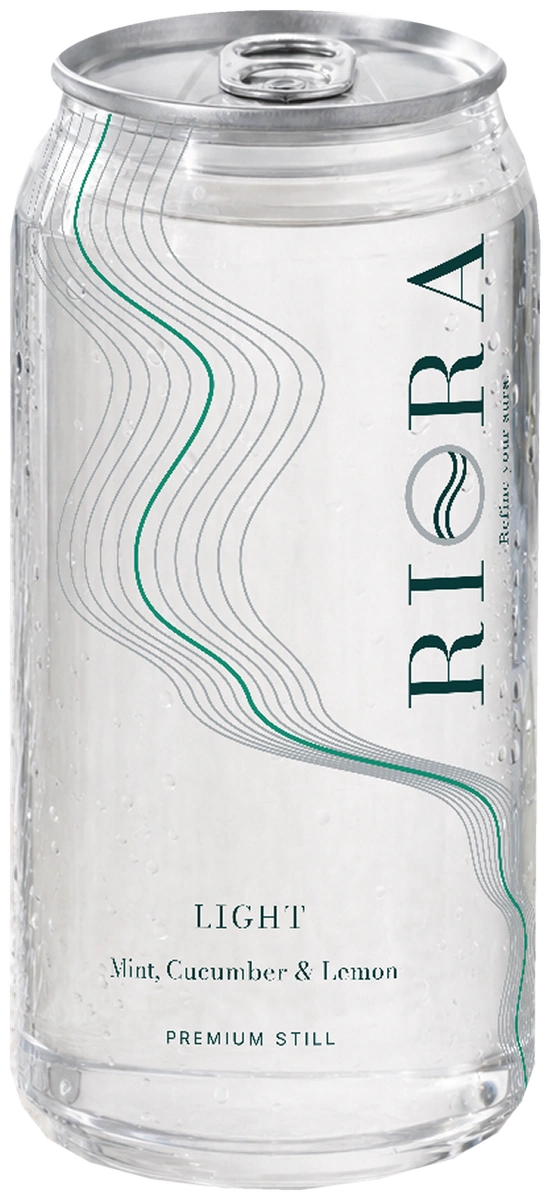
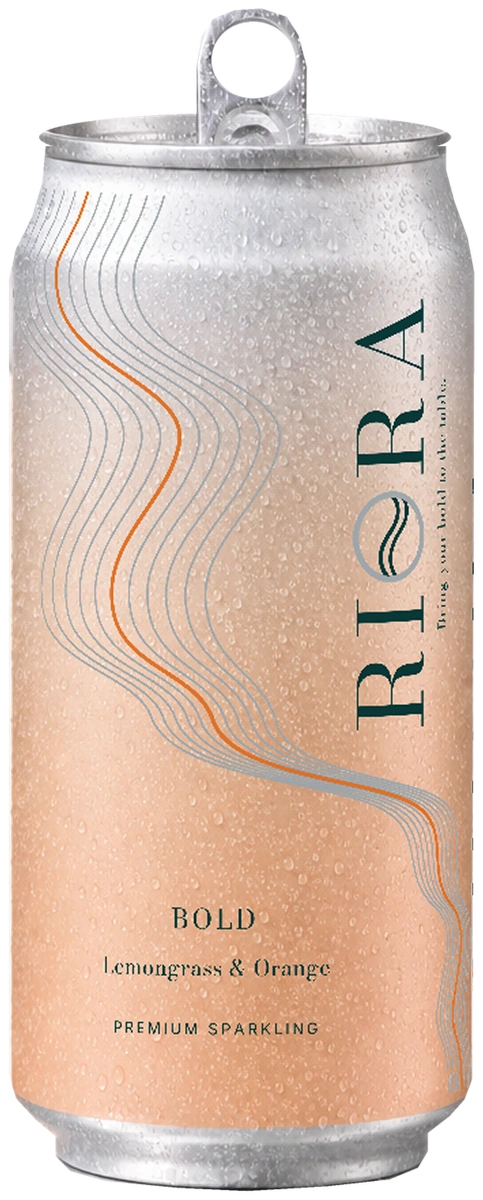
A little European water culture, without the rules.
From historic spring towns to Paris’s public sparkling fountains, water has stories far beyond the bottle.
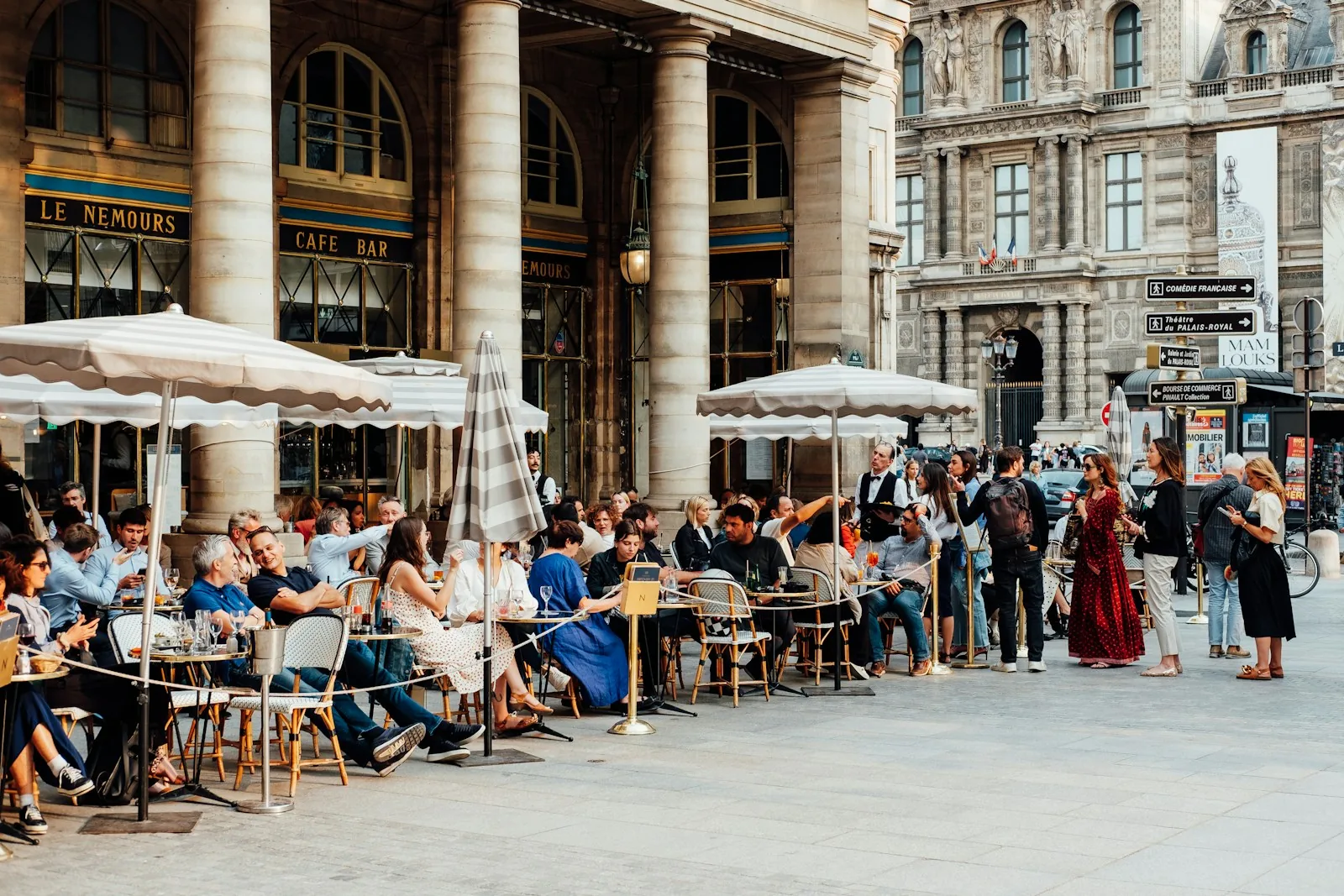
A café terrace. A long lunch. A glass of water that belongs in the scene. Europe’s relationship with water has many expressions, from public fountains to the towns built around springs. There’s plenty to be curious about, without turning a continent into a single dining habit.
When a spring becomes a place.
UNESCO’s Great Spa Towns of Europe brings together eleven towns across seven countries, all developed around natural mineral springs. The heritage includes drinking halls, baths, gardens and places to gather, reflecting a spa culture that flourished from the eighteenth century into the early twentieth.
That history offers an interesting lens: water was woven into architecture and social life. It helped shape where people walked, met and spent time. You don’t need to adopt historical therapeutic beliefs to appreciate that cultural legacy; those beliefs are not modern health advice.
Further reading UNESCO · The Great Spa Towns of Europe
Paris has a sparkling side, too.
A public fountain is another way to encounter water culture. Eau de Paris records that France’s first public sparkling-water fountain opened in the Jardin de Reuilly in 2010, inspired by Italy’s Casa dell’Acqua. Sparkling water, in that setting, becomes an everyday public amenity.
It’s a useful counterpoint to the idea that interesting water only belongs in an expensive bottle. A refill on a walk and a considered choice at dinner can both be meaningful parts of the day. What changes is the setting, the service and the preference of the person holding the glass.
Further reading Eau de Paris · The story of Paris’s sparkling fountains
Bring the feeling to your own table.
Our invitation is simple: treat water as part of hosting. Set out glasses before the food arrives. Ask people whether they feel like still or sparkling. Introduce a flavour in ordinary language, the same way you might point out the herbs in a salad.
A slow meal doesn’t have to be a special occasion. It can be ten minutes with a friend, leftovers on a proper plate or an unhurried weekend lunch. Borrow the attention to small details rather than an imagined list of European rules.
A natural mineral water tells a story about its source; a flavoured water opens a conversation about ingredients. With Riora, that conversation might start with lemongrass and orange, or mint, cucumber and lemon. Ask what a flavour reminds you of. Sometimes the best part of a shared meal is the detour it takes.
Borrow the attention to the moment. Leave room for your own ritual.
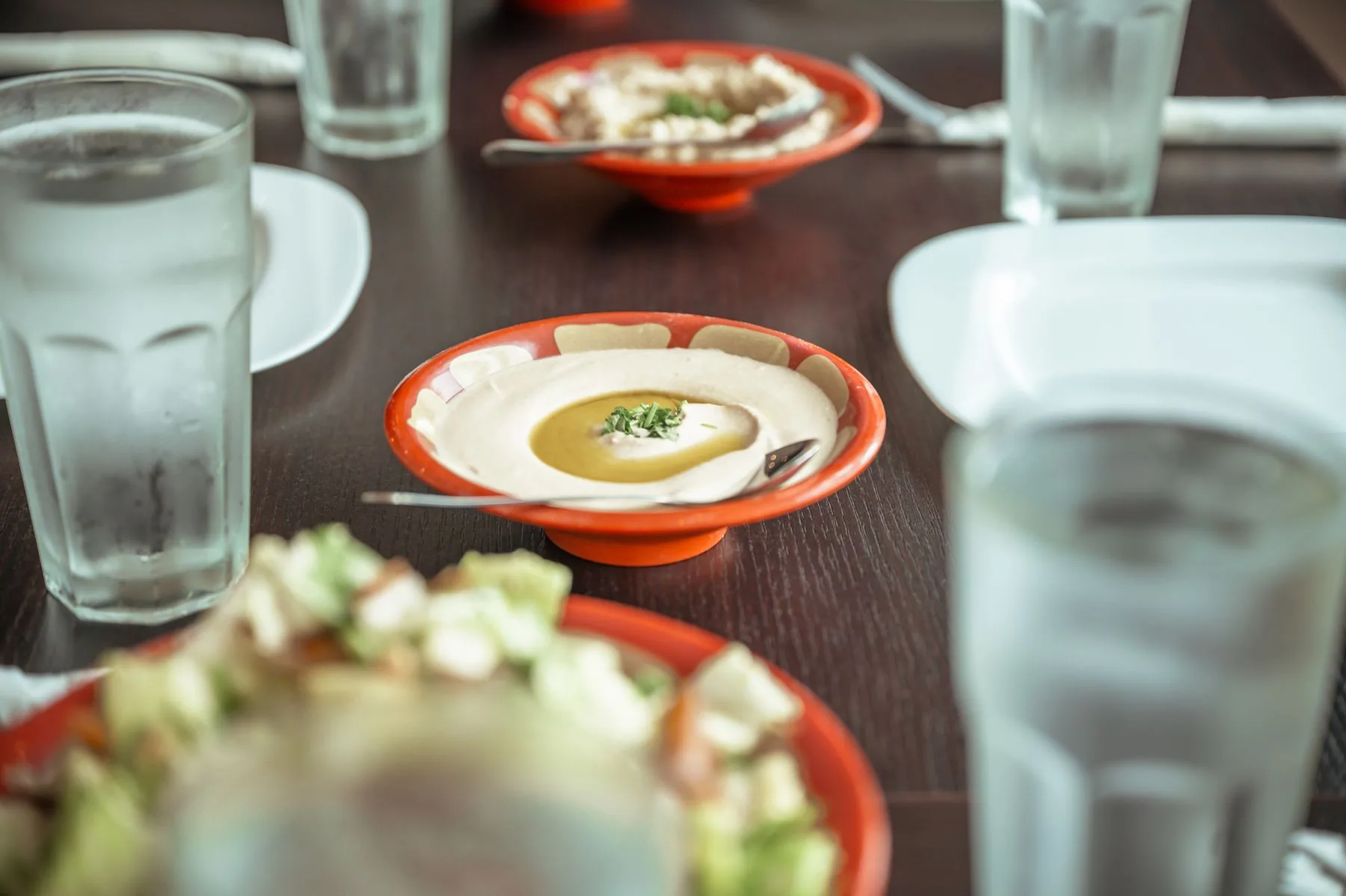
The best pairing on the table might be water.
Still or sparkling? Citrus or herbs? A relaxed guide to finding the water that goes with your next good meal.
Read the story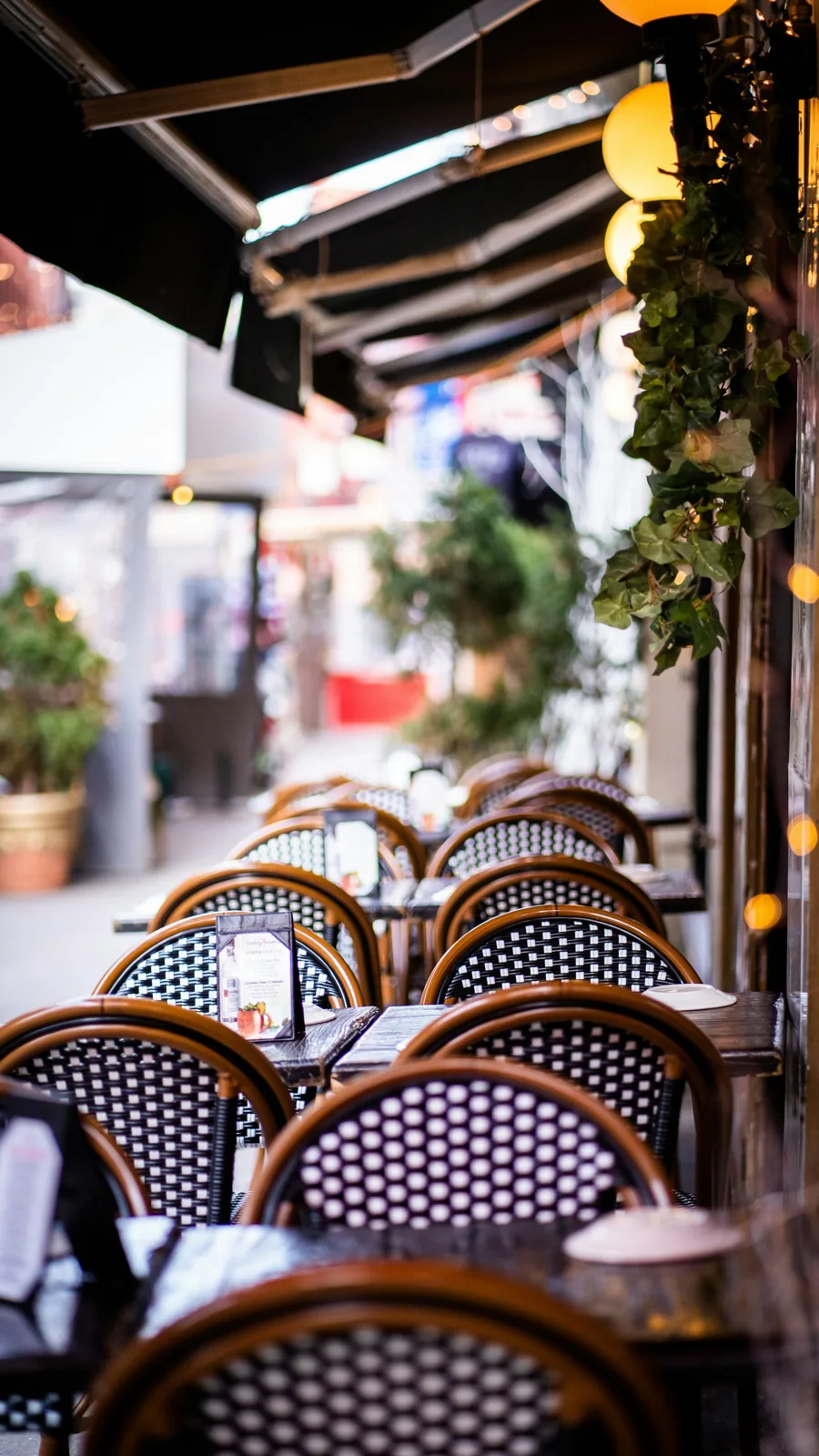
A fresh place for water at the North American table.
A look at thoughtful alcohol-free hospitality in the United States and Canada, and what it can teach us about serving water.
Read the storyFROM READING TO REFRESHING
Find your own good pairing.
Still, sparkling, or a little of both. Make a mix for whatever’s on the table.
Build your pack