Yes, water sommeliers are a thing.
What a water sommelier studies, what they notice in a glass, and how to try a simple tasting yourself.
A sommelier helps a guest make sense of a drink. A water sommelier applies that curiosity to water: where it comes from, how it feels, and how it sits alongside food. You don’t need the title to start paying a little more attention to your next sip.
What do they actually study?
Specialist education exists. The Fine Water Academy offers a water sommelier course with foundation, advanced and certification stages. Its broader educational topics include water sources, mineral character, carbonation, etiquette and the relationship between water and dining. The training brings structure to a curiosity that starts with a simple glass.
The interesting part for a diner is the vocabulary. Two glasses can feel different even before you introduce flavourings: one may feel softer, another more assertive or more lively with carbonation. A useful description gives a guest something they can recognise, rather than making them feel they have to pass a test.
Further reading Fine Water Academy · Water sommelier training
Three things to notice in a sip.
For a casual tasting, make your own notes in words that feel natural to you. These prompts are an exercise in attention, not a professional scoring system.
Texture
Is the sip still or sparkling? If there are bubbles, how do they feel? Write down your first impression before looking at anyone else’s notes.
Aroma and flavour
Smell, then take a small sip. With flavoured water, try naming an ingredient you recognise. With unflavoured water, it’s fine if your first note is simply ‘subtle’.
The finish
Pause after swallowing. What do you notice, and would you like another sip with your food? ‘I prefer this one’ is a useful tasting note, too.
Try a ten-minute tasting at home.
Choose two drinking waters you already enjoy. Use identical clean glasses, serve them at a similar temperature, and label them A and B. Take a small sip of each before looking at the bottles. Write one word about texture and one about flavour. Try them again with a bite of something simple.
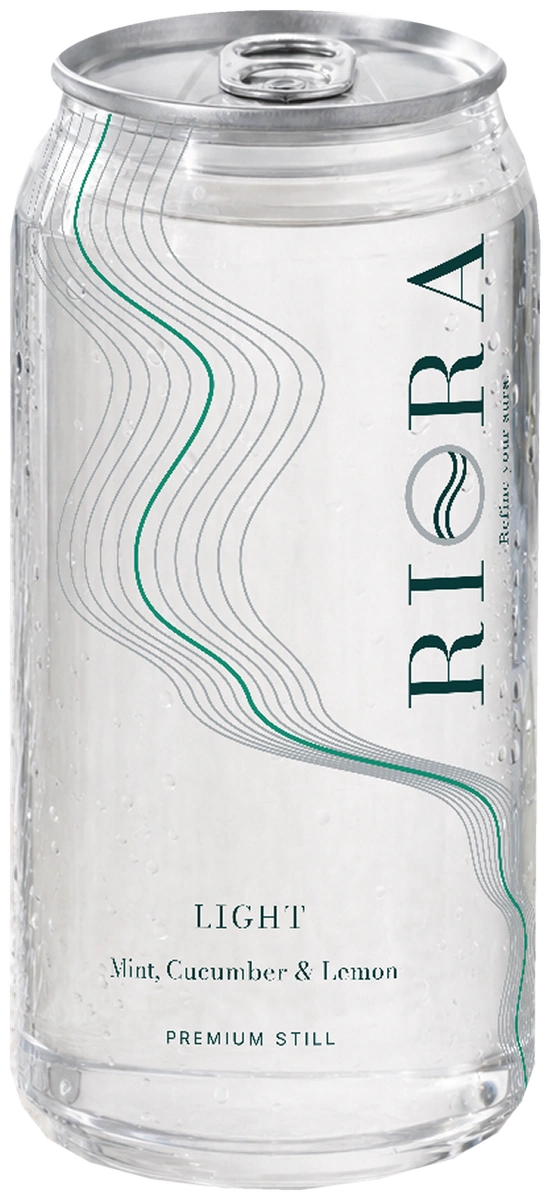
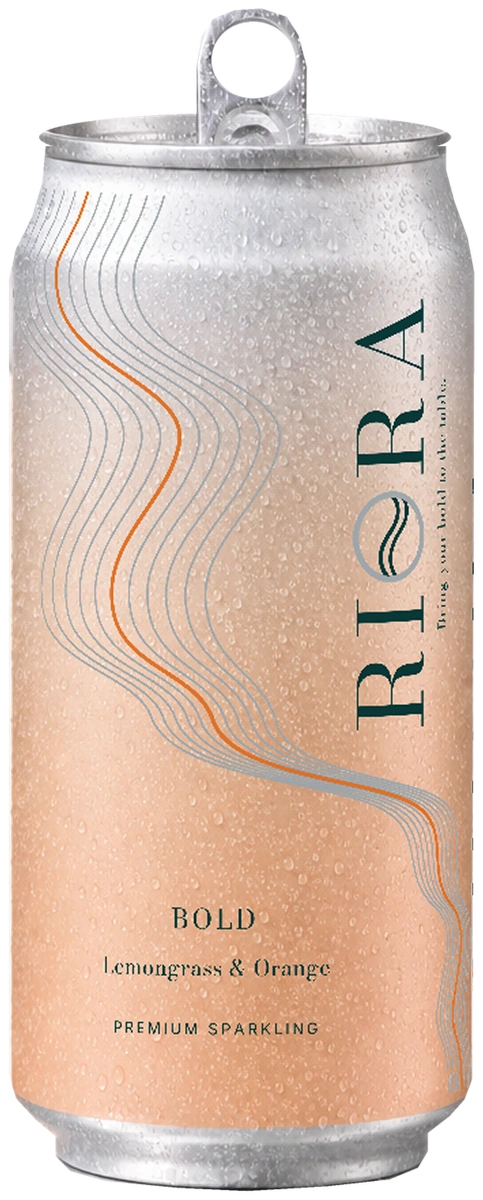
If you want to compare Riora still and sparkling, choose the same flavour in both formats so texture is the main change. Bold and Light let you do that; Active is available only as sparkling. Add no garnish for the first sip, then adjust the glass to your own taste.
Tasting flavoured water explores ingredients as well as texture. Tasting natural mineral waters also explores source and mineral character. Both offer ways to build your own vocabulary. The most useful outcome is knowing a little more about what you like.
You don’t need a perfect palate. You need a little curiosity.
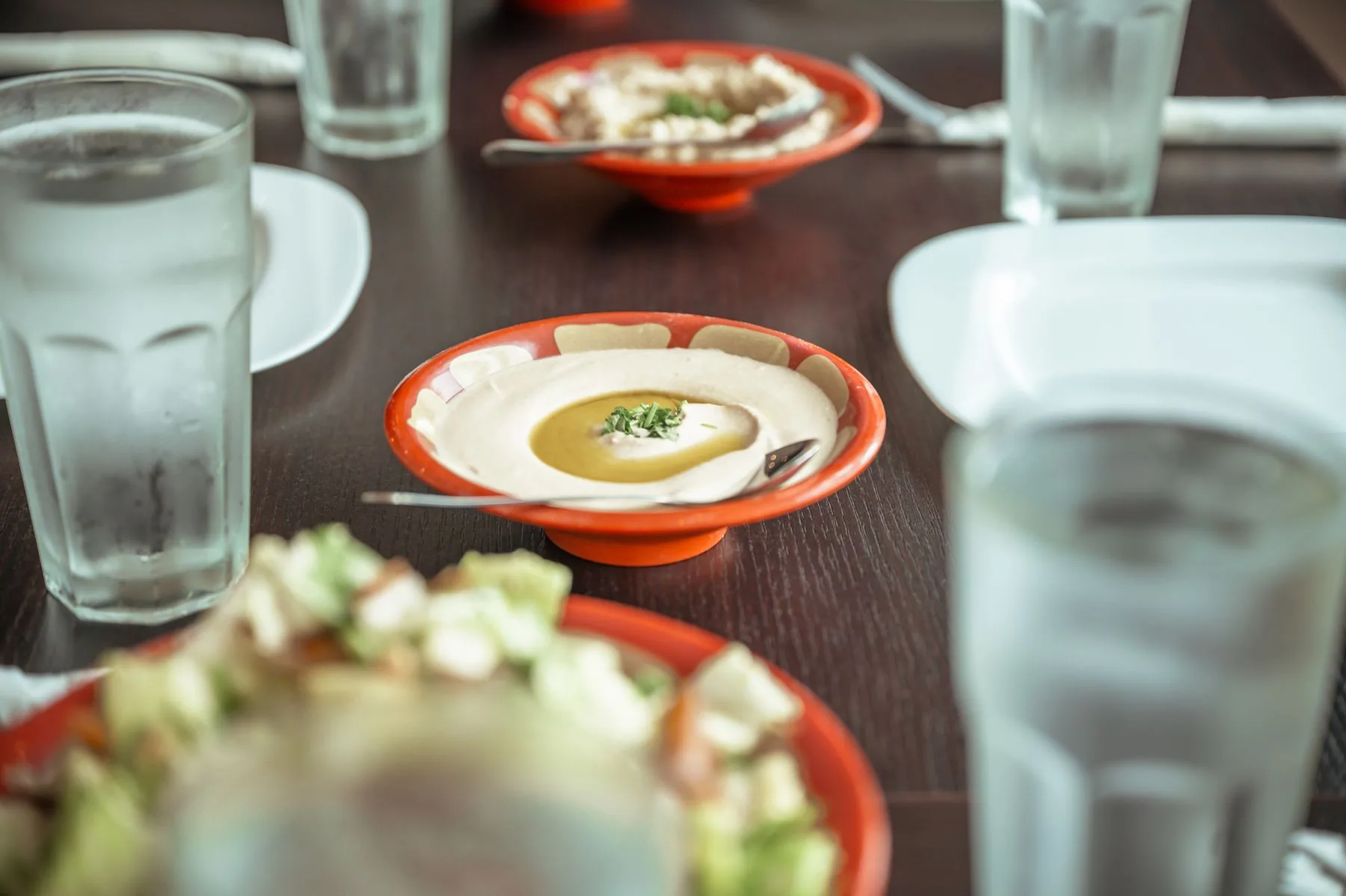
The best pairing on the table might be water.
Still or sparkling? Citrus or herbs? A relaxed guide to finding the water that goes with your next good meal.
Read the story
A little European water culture, without the rules.
From historic spring towns to Paris’s public sparkling fountains, water has stories far beyond the bottle.
Read the storyFROM READING TO REFRESHING
Find your own good pairing.
Still, sparkling, or a little of both. Make a mix for whatever’s on the table.
Build your pack